Insights from the Pilot Phase: 9 Workshops, 100+ Participants
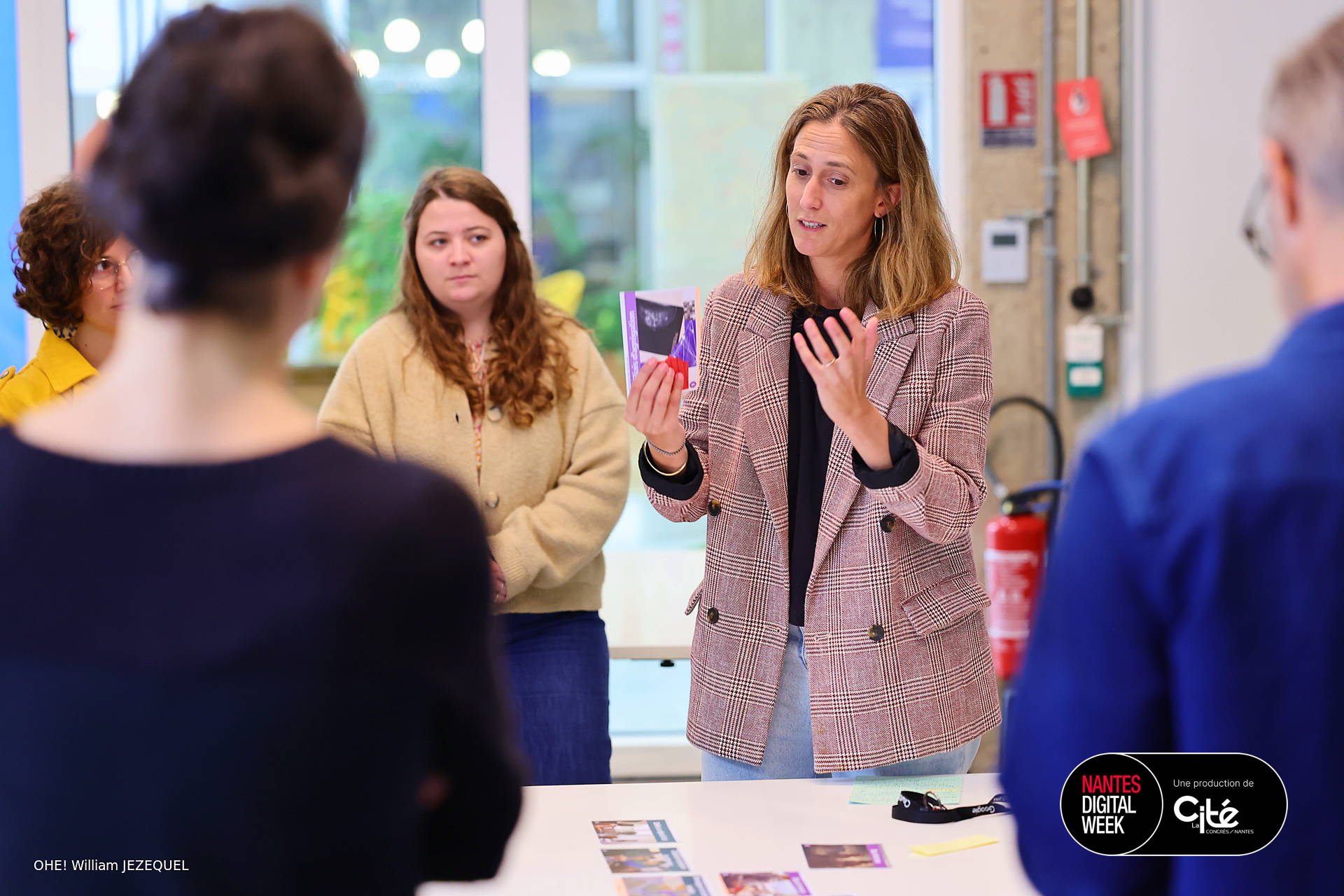
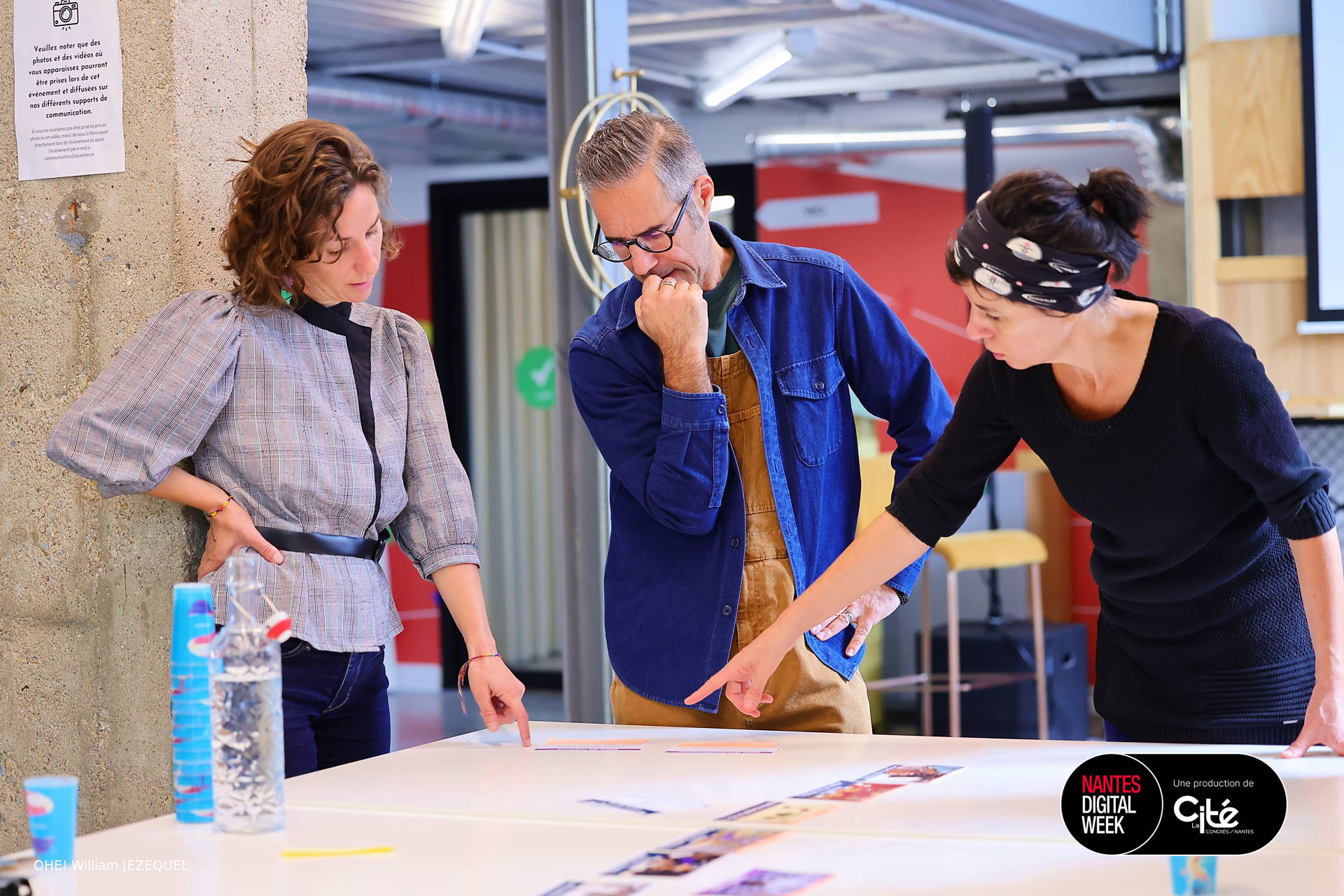
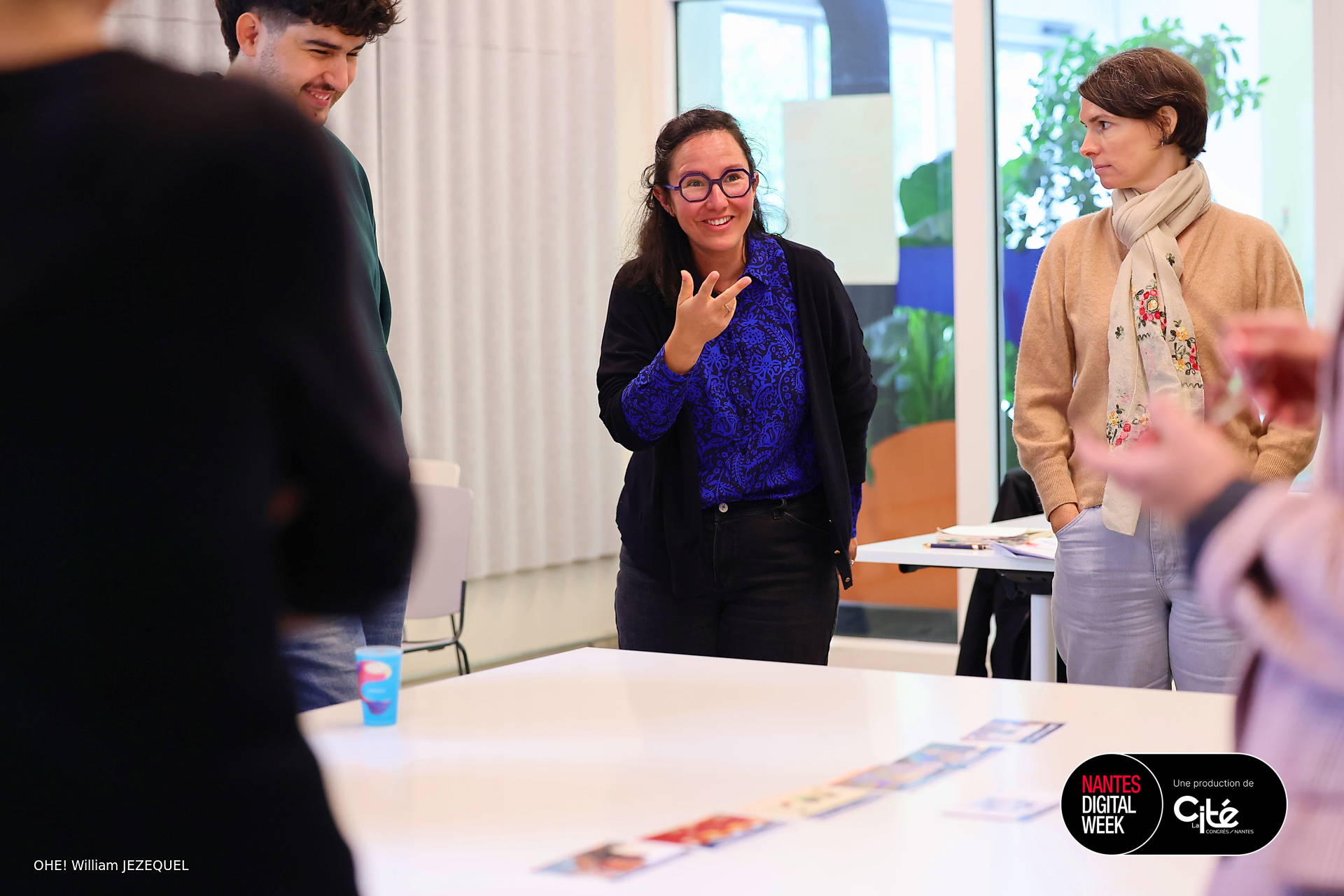
To refine the tool, the workshop was evaluated through 9 pilot sessions involving 100+ participants across various sectors. These sessions allowed us to test the content with diverse audiences and gather constructive feedback, including
- Technical and Academic Sectors: At events like the Assises du Genre et du Numérique in Switzerland, the Salon DATA IA, and the Semaine de l’Entreprise Responsable et Inclusive (SERI), the workshop engaged data scientists and developers. It allowed tech professionals to reflect on the societal implications of their work, with one participant noting: “I appreciated questioning the impacts of our decisions on the AI we create and use, but also the impacts of this technology on our society. The workshop integrates several real cases.”
- Corporate and Civil Society Groups: Sessions with communication, HR, and marketing teams at Concentrix, as well as advocates from the Sista collective and Ouvre Boîtes, explored how algorithmic design impacts professional inclusion and organisational communication.
- Students and Future Professionals: Workshops held for interns at Euroclear France and digital marketing students at ISEG Nantes highlighted the value of early digital literacy. As one student shared: “I better understand the steps behind the development of an AI now, and I realise there is a hidden side to it.”
Addressing Barriers to Digital Literacy
In line with DIVERSIFAIR’s commitment to inclusion, the pilot phase specifically aimed to lower barriers to understanding technology. An intersectional analysis of our 110 participants shows that the sessions successfully reached:
- 86% participants facing social barriers (including women, non-binary individuals, and younger participants who are statistically underrepresented in tech design).
- 92% participants without technical backgrounds, proving that algorithmic literacy can be successfully taught to non-experts.
- 31% participants facing economic barriers (students and young interns), emphasizing the importance of providing free access to foundational digital education.
The pilot phase also provided valuable constructive feedback: sessions with younger audiences showed us where to further simplify complex concepts, while feedback from tech experts helped us make the technical case studies even more precise.
Next Steps and Future Availability
The pilot phase demonstrated that when citizens and professionals are given the right tools, they can move from passive users of AI to active stakeholders in digital ethics.
As the DIVERSIFAIR project concludes its initial European funding cycle, we are pleased to announce that “Code Caché” is now a permanent fixture in La Fresque du Sexisme’s catalogue. This ensures that the research and tools developed over the last three years will continue to serve as a lasting resource for companies, schools, and civic organisations seeking to foster a more responsible digital future.
Interested in organising a workshop? You can find more information and book a session directly through La Fresque du Sexisme website.
Please note: To ensure maximum impact within the local communities where it was developed, the workshop is currently conducted exclusively in French.